- +8615586668226
- [email protected]
- No. 30, Hongbang Industrial Park, Shenzhen

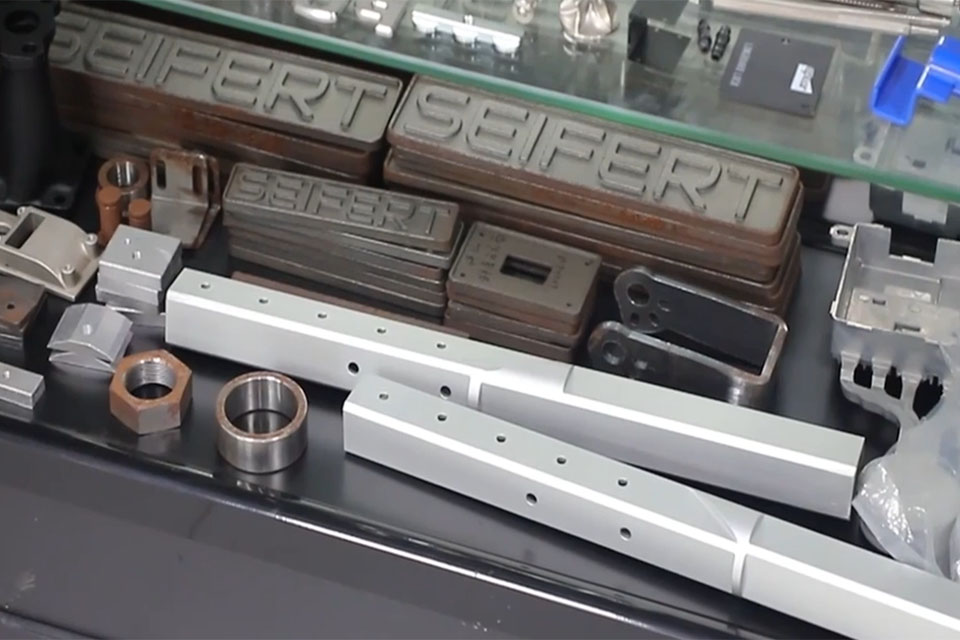
Why Laser Cutting Dominates Industrial Fabrication
Laser cutting has revolutionized manufacturing by delivering tight tolerances (±0.1mm), rapid turnaround, and compatibility with metals, plastics, and composites. Industries like aerospace and medical devices rely on it for critical components.
Key Benefits:
- 95% Material Efficiency (vs. 70% for traditional methods)
- 3x Faster production cycles for complex designs
- Zero tooling costs for prototypes
How Laser Cutting Works: A Step-by-Step Breakdown
The Mechanics Behind Laser Cutting Technology
- Design Input: CAD software generates G-code for the CNC system.
- Beam Generation: CO2 or fiber lasers produce a high-power beam.
- Material Interaction: The beam melts, vaporizes, or blows away material.
- Motion Control: Precision guides cut paths via CNC Solutions.
 Example: Fiber lasers cut stainless steel at 20m/min.
Materials Perfect for Laser Cutting
| Material | Applications | Thickness Range |
|---|---|---|
| Stainless Steel | Medical tools, automotive parts | 0.5–25 mm |
| Acrylic | Signage, displays | 1–15 mm |
| Aluminum | Aerospace frames, robotics | 0.5–12 mm |
Avoid These Materials:
- PVC (toxic fumes)
- Reflective metals (damage optics)
- HDPE (poor cut quality)

Laser Cutting vs. Alternatives: Which Wins?
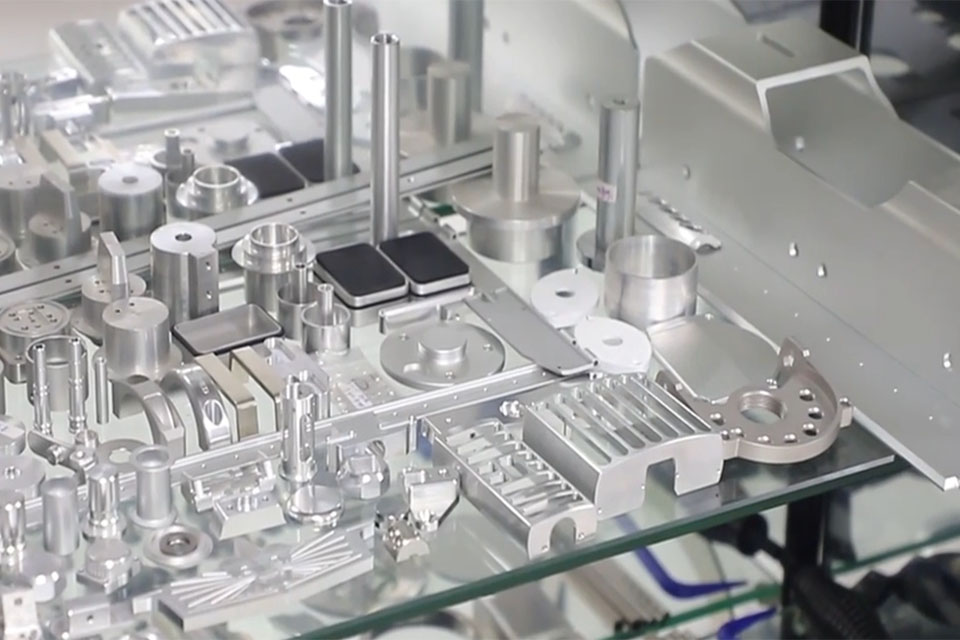
Comparative Analysis
| Method | Precision | Speed | Material Range | Cost |
|---|---|---|---|---|
| Laser Cutting | ±0.1mm | High | Metals, plastics, wood | $$$ |
| Waterjet | ±0.2mm | Medium | Stone, thick metals | $$$$ |
| Plasma | ±0.5mm | High | Thick metals only | $$ |
Case Study: A leading automotive manufacturer reduced chassis production time by 40% using fiber lasers.
Cost Factors: Budgeting for Laser Cutting
- Machine Type: Fiber lasers ($150K–$1M) vs. CO2 ($10K–$200K)
- Material Costs: Stainless steel ($3/kg) vs. titanium ($25/kg)
- Labor: Skilled operators ($30–$50/hour)
- Energy: 10–50 kW/hour consumption
Pro Tip: Use on-demand manufacturing for low-volume batches to minimize upfront costs.
Design Optimization Tips for Flawless Cuts
- Adjust for Kerf: Add 0.2mm offsets to account for beam width.
- Nesting Software: Maximize material use with auto-arrangement tools.
- Avoid Sharp Corners: Use radii >1mm to prevent burning.
- Test Prototypes: Validate designs with rapid prototyping.
Industry Applications: Where Laser Cutting Excels
- Aerospace: Turbine blades, lightweight alloys
- Medical: Surgical instruments, biocompatible implants
- Electronics: Circuit boards, microcomponents
- Art & Design: Intricate metal sculptures
 Laser-cut titanium aircraft bracket.
Safety and Environmental Considerations
Risks:
- Eye Injury: Always wear IR-protective goggles.
- Fumes: Use HVAC systems for plastics.
Sustainability:
- Recycle 85% of metal scraps.
- Energy-efficient fiber lasers cut CO2 emissions by 30%.
FAQs: Your Laser Cutting Questions Answered
What materials can’t be laser cut?
PVC, ABS, and reflective metals like copper are unsuitable due to toxicity or beam reflection.
How does laser cutting compare to CNC machining?
Laser cutting is faster for flat parts, while CNC machining handles 3D geometries better.
What’s the minimum order quantity?
Many providers, like us, offer on-demand services for single prototypes.
Can lasers cut curved surfaces?
Yes! 5-axis machines handle complex contours.
Key Takeaways
- Laser cutting delivers ±0.1mm precision for metals, plastics, and composites.
- Fiber lasers outperform CO2 in speed and energy efficiency.
- Design for kerf and use nesting software to reduce waste.
- Partner with experts for custom projects and scalable solutions.
Ready to Transform Your Production Line? Contact Us for a free consultation and quote today!
 EN
EN FR
FR DE
DE AR
AR SL
SL TR
TR ES
ES PL
PL SK
SK PT
PT LV
LV RO
RO ZH
ZH RU
RU LT
LT ET
ET HU
HU SV
SV IT
IT KO
KO NB
NB