- +8615586668226
- [email protected]
- No. 30, Hongbang Industrial Park, Shenzhen

Understanding Cutting Technologies: A Deep Dive
Modern manufacturing relies on advanced cutting methods to meet diverse demands. Let’s explore how each technology works and where it shines.
1. Laser Cutting: Precision at Lightning Speed
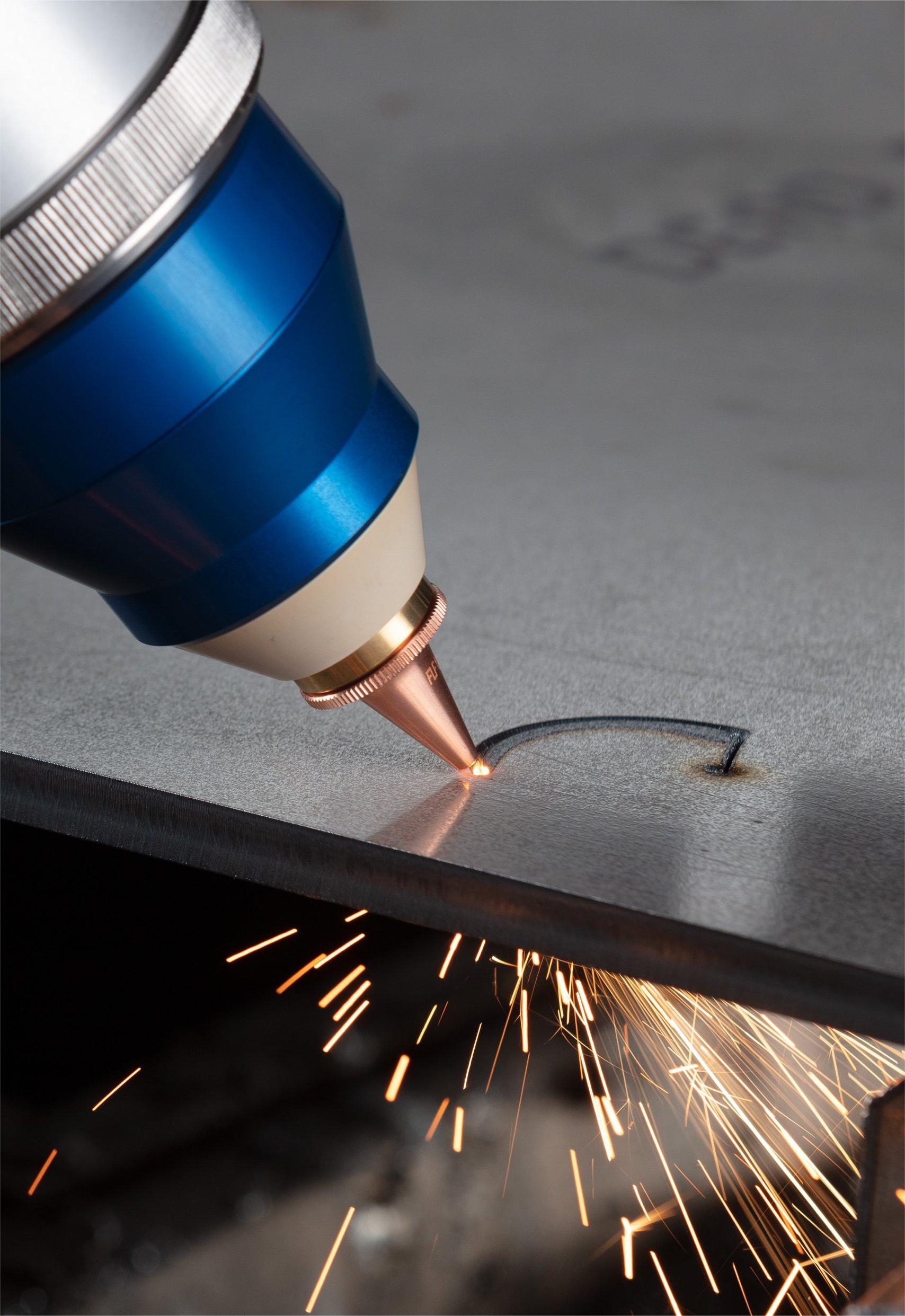
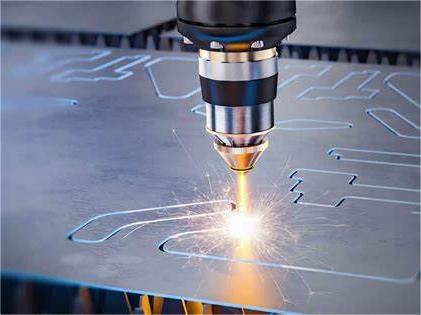
Laser cutting uses concentrated light beams (CO2, fiber, or diode) to vaporize materials. It’s ideal for thin metals, plastics, and composites.
Why industries love laser cutting:
- Accuracy: Tolerances within ±0.1 mm.
- Speed: Cuts 20x faster than waterjet on thin sheets.
- Versatility: Works with metals, wood, and ceramics.
- Low waste: Kerf width as narrow as 0.4 mm.
Limitations to consider:
- Struggles with reflective metals like copper.
- Slower on materials thicker than 25 mm.
Example: A robotics company reduced prototype lead times by 40% using our CNC Milling and laser cutting combo.
2. Waterjet Cutting: Cool, Versatile, and Precise
Waterjet cutting combines high-pressure water (30,000–90,000 psi) with abrasives like garnet. Perfect for heat-sensitive materials like titanium or acrylic.
Key advantages:
- No heat distortion: Protects material integrity.
- Multi-material cuts: Slice through 300 mm steel or delicate glass.
- Complex shapes: Achieve sharp corners and tight radii.
Trade-offs:
- Higher operational costs due to abrasive use.
- Slower than laser for thin sheets.
Case study: A medical device manufacturer improved surgical tool accuracy by 30% with waterjet-cut titanium parts. Explore our Medical Devices solutions.
3. Plasma Cutting: Power Meets Affordability
Plasma cutting uses ionized gas to slice conductive metals like steel and aluminum. Best for thick materials (up to 150 mm) in construction or heavy equipment.
Why choose plasma?
- Cost-effective: 50% lower machine costs than laser.
- Thick material mastery: Faster than laser/waterjet on >10 mm steel.
- Portability: Handheld options for on-site jobs.
Drawbacks:
- Limited to conductive metals.
- Kerf widths up to 3.8 mm (higher material waste).
Industry example: A renewable energy firm cut costs by 25% using plasma-cut steel brackets. Learn about New Energy applications.
Head-to-Head Comparison: Laser vs. Waterjet vs. Plasma
| Factor | Laser Cutting | Waterjet Cutting | Plasma Cutting |
|---|---|---|---|
| Max Material Thickness | 25 mm (steel) | 300 mm | 150 mm (steel) |
| Cutting Speed (1mm steel) | 15 m/min | 3 m/min | 20 m/min |
| Operating Cost | $20/hour | $50/hour | $15/hour |
| Edge Quality | Smooth, burr-free | Smooth, no HAZ | Rough, requires finishing |
5 Critical Factors for Choosing Your Cutting Method
Material Type:
- Non-conductive (e.g., stone)? Waterjet.
- Reflective (e.g., copper)? Avoid laser.
Thickness:
- <10 mm: Laser or plasma.
50 mm: Waterjet or plasma.
Precision Needs:
- ±0.1 mm: Laser/waterjet.
- ±1 mm: Plasma.
Budget:
- Tight? Plasma.
- High-mix? Laser for versatility.
Post-Processing:
- Plasma cuts often need Surface Finishing.
Industry-Specific Recommendations
- Aerospace: Laser for aluminum fuselage parts (Aerospace).
- Medical: Waterjet for titanium implants.
- Automotive: Plasma for exhaust systems (Automotive).
- Electronics: Laser for circuit board stencils.
FAQs: Your Top Questions Answered
How do I choose between laser and waterjet for aluminum?
For thin sheets (<6 mm), laser is faster. For thick or heat-sensitive parts, waterjet prevents warping.
Can plasma cutters handle stainless steel?
Yes! Plasma excels on conductive metals like stainless steel up to 50 mm thick.
What’s the most eco-friendly option?
Waterjet—no toxic fumes and recyclable abrasives.
Which method works for food-grade materials?
Waterjet, since it avoids heat-induced contamination.
Key Takeaways
- Laser: Speed + precision for thin materials.
- Waterjet: Versatility + no heat damage.
- Plasma: Cost-efficiency + thick metal mastery.
Ready to optimize your project? Request a Quote or explore our CNC Solutions.
 EN
EN FR
FR DE
DE AR
AR SL
SL TR
TR ES
ES PL
PL SK
SK PT
PT LV
LV RO
RO ZH
ZH RU
RU LT
LT ET
ET HU
HU SV
SV IT
IT KO
KO NB
NB