- +8615586668226
- [email protected]
- No. 30, Hongbang Industrial Park, Shenzhen

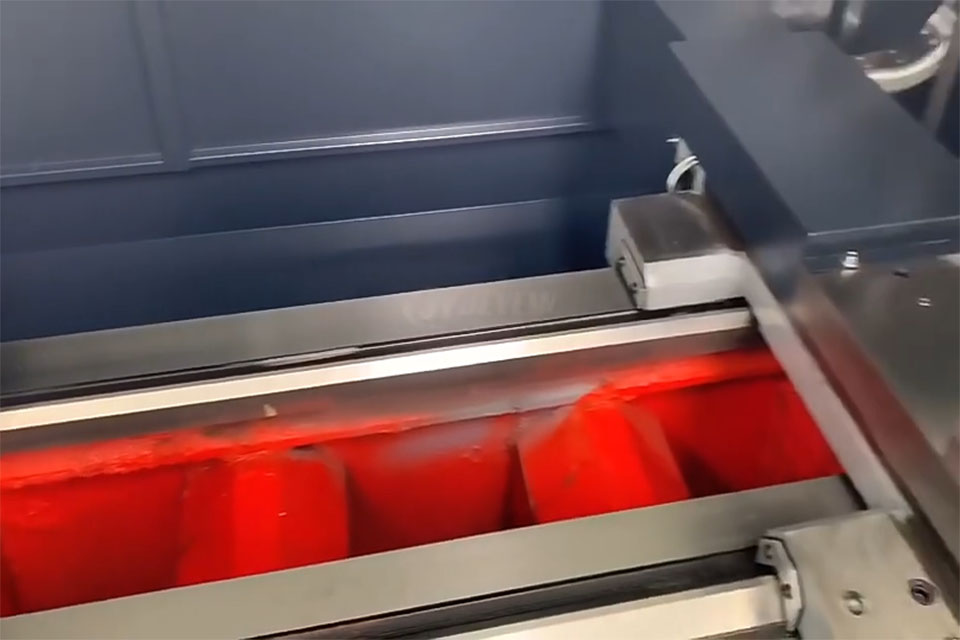
The Critical Role of Brackets in Modern Manufacturing
Brackets are unsung heroes in engineering, providing structural support and connectivity in applications like robotics, medical devices, and heavy equipment. They transform static structures into dynamic systems by:
- Distributing weight evenly
- Reducing mechanical stress
- Enabling modular assembly
Fun fact: Over 70% of industrial equipment failures originate from poorly designed support components like brackets.
Choosing the Right Material for Your Sheet Metal Brackets
Material choice impacts durability, weight, and cost. Below is a comparison of popular options:
| Material | Strength | Weight | Corrosion Resistance | Cost | Best For |
|---|---|---|---|---|---|
| Stainless Steel | High | Heavy | Excellent | $$$ | Medical, Food Packaging |
| Aluminum | Medium | Light | Good | $$ | Aerospace, Automotive |
| Brass | Medium | Medium | Moderate | $$$$ | Decorative Applications |
Pro Tip: For high-stress environments like defense systems, consider combining materials. Learn more about material selection strategies.

Top 4 Bracket Designs and Their Industrial Applications
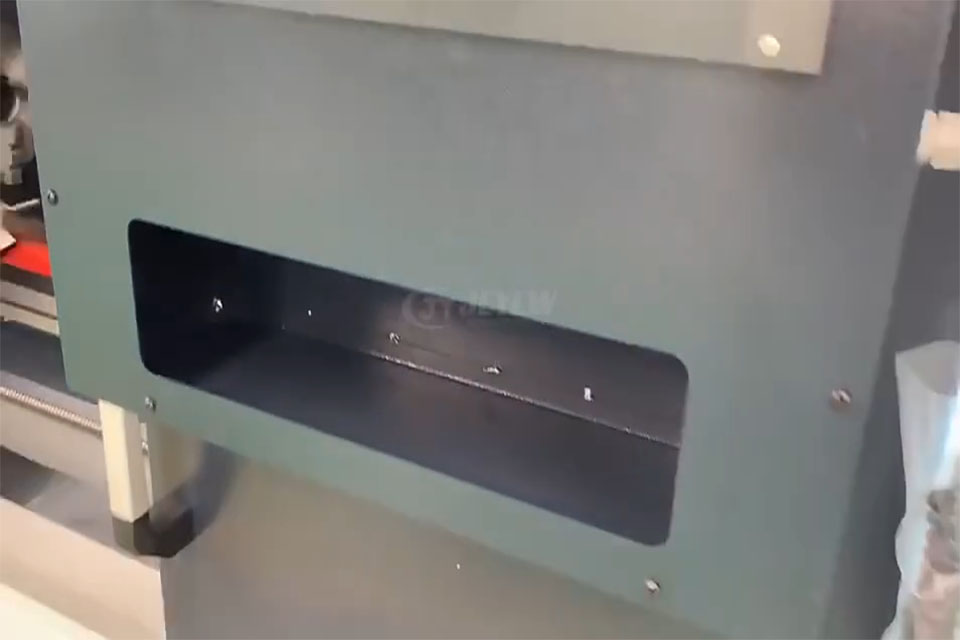
- L-Brackets: Ideal for 90° wall-to-shelf connections. Common in consumer products.
- U-Brackets: Perfect for parallel surface mounting in industrial equipment.
- Z-Brackets: Offset mounting solutions for telecommunications infrastructure.
- Gusset Brackets: Reinforced designs for energy sector load-bearing.
 Visual: Common bracket profiles and their load distribution patterns.
Step-by-Step Fabrication Process for Precision Brackets
- Laser Cutting: Achieve ±0.1 mm accuracy with laser cutting services.
- Bending: Use CNC press brakes for angles up to 120°.
- Hole Punching: Add fastener holes with <0.2 mm positional tolerance.
- Surface Finishing: Options like powder coating for corrosion-resistant medical devices.
Case Study: A robotics firm reduced bracket failure rates by 40% using our 5-axis CNC machining for complex geometries.
Design Best Practices for High-Performance Brackets
- Bend Radius: Minimum radius = 1.5x material thickness to prevent cracking.
- Hole Placement: Keep holes ≥2x material thickness from edges.
- K-Factor: Use 0.33 for mild steel when calculating flat patterns.
“Over-engineering is the enemy of cost-efficiency. Simplicity often outperforms complexity in bracket design.” – Lead Engineer, CNC Fabrication
Industry-Specific Solutions: From Aerospace to Art
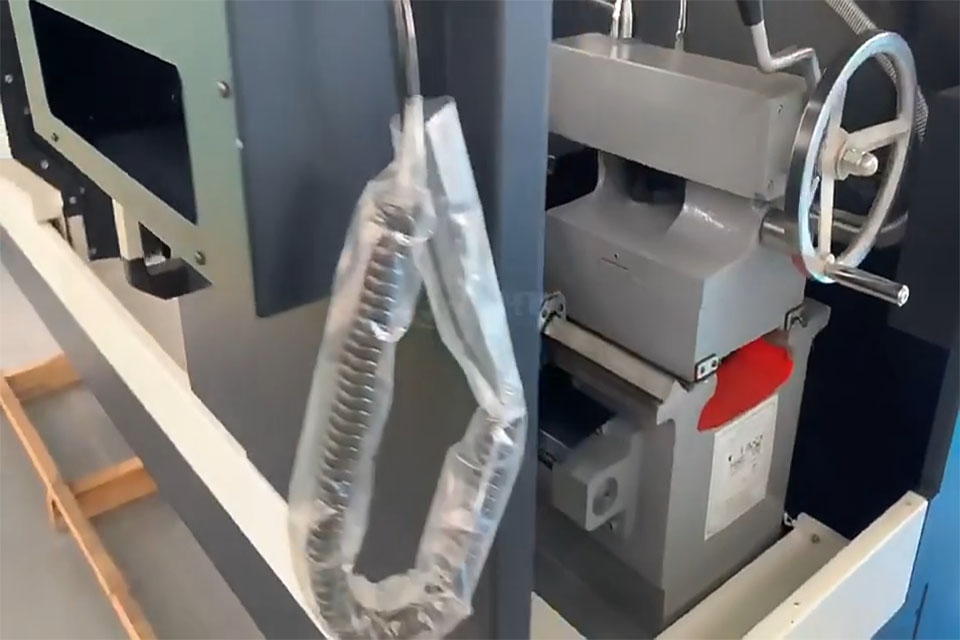
- Medical Devices: Electropolished stainless steel brackets for MRI-compatible surgical tools.
- Automotive: Lightweight aluminum brackets for EV battery mounts.
- Art Installations: Decorative brass brackets with custom surface finishes.
Cost-Saving Strategies Without Sacrificing Quality
- Use on-demand manufacturing for prototypes
- Opt for standard material sizes
- Simplify bends – every additional 45° increases costs by 18%
FAQ: Your Top Bracket Manufacturing Questions Answered
What’s the best material for outdoor brackets?
304 stainless steel offers optimal weather resistance for construction and energy applications.
Can you make custom-shaped brackets for unique prototypes?
Yes! Our rapid prototyping team specializes in one-off designs.
How thin can sheet metal brackets be?
We reliably work with materials as thin as 0.5 mm using precision machining.
Do you handle full assembly services?
Absolutely – explore our end-to-end assembly solutions.
Key Takeaways
- Match materials to operational demands (stress, environment, budget)
- Simplify designs to minimize production costs
- Leverage advanced techniques like 5-axis machining for complex geometries
- Partner with experts who understand industry-specific requirements
Ready to transform your bracket designs? Contact our team for a free design review and quote today!
 EN
EN FR
FR DE
DE AR
AR SL
SL TR
TR ES
ES PL
PL SK
SK PT
PT LV
LV RO
RO ZH
ZH RU
RU LT
LT ET
ET HU
HU SV
SV IT
IT KO
KO NB
NB