- +8615586668226
- [email protected]
- No. 30, Hongbang Industrial Park, Shenzhen

Why Transparent Parts Matter to Your Industry
Ever wonder why clear parts pop up everywhere? From airplane windows to medical device casings, transparency isn’t just pretty—it’s purposeful. We’ve seen firsthand how industries like aerospace and electronics rely on see-through components. Visibility, light transmission, and aesthetics drive the demand. Curious how this applies to you? Let’s break it down.
Seeing Through the Benefits: Visibility in Action
Picture this: a pilot peering through a flawless cockpit window or a doctor inspecting a sterile medical tool. That’s visibility at work. We craft fully transparent parts—think windows, containers, or ID holders—so you can see exactly what’s behind them. For medical devices or consumer goods, this clarity builds trust and function.
Letting Light Shine: Functional Transparency
Not everything’s about human eyes. Sometimes, it’s light that needs to flow. Solar panels in energy and renewable energy projects or headlamp covers in automotive designs? We make translucent parts that let light do its job. Our CNC machining ensures precision, so your project performs like clockwork.
Beauty Meets Purpose: Aesthetic Clarity
Who says function can’t be fun? Clear video game consoles, designer tools, or acrylic art pieces—we’ve made them all. For art and design or consumer products, translucent parts add a wow factor. Want to stand out? Our rapid prototyping can bring your vision to life fast.
Materials That Make Transparency Possible
What’s the secret sauce? It’s all in the materials. We work with options like PMMA (acrylic), PC (polycarbonate), and ABS to match your needs. Each has perks—like PMMA’s stunning clarity or PC’s toughness. Check out this table for a quick peek:
| Process | Material | Pros | Cons |
|---|---|---|---|
| CNC Machining | PMMA | Crystal-clear, polishable | Brittle vs. PC |
| Injection Molding | PC | Tough, heat-resistant | Less clear than PMMA |
| Urethane Casting | PX521 | High clarity | Not as good as true PMMA |
Need more details? Our materials guide has you covered.
How We Craft Clear Parts: Top Techniques
Ready for the how-to? We use four powerhouse methods to create transparent parts tailored to your industry—whether it’s defense and military or food and packaging. Here’s the lineup:
- SLA (Stereolithography): Fast and budget-friendly for complex prototypes.
- Urethane Casting: Perfect for small batches with smooth finishes.
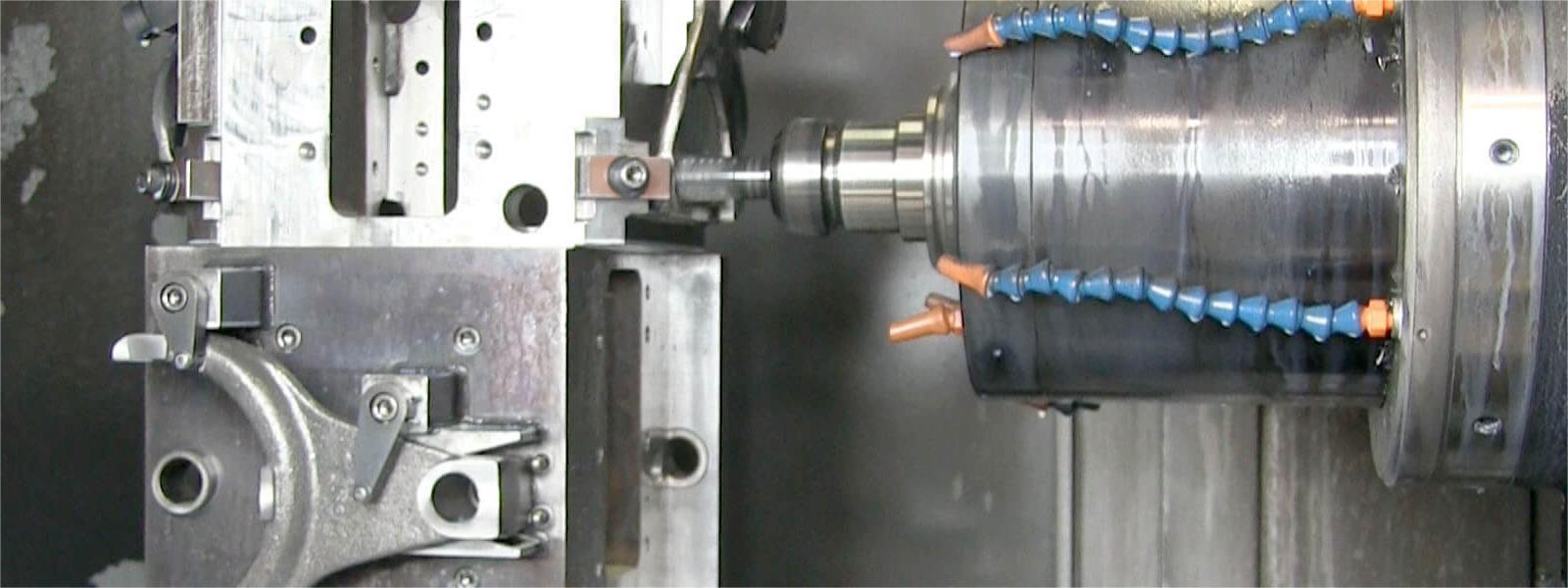
- CNC Machining: Unmatched clarity for precision machining needs.
- Injection Molding: Ideal for big runs—think industrial equipment or pharmaceuticals.
Each method shines in its own way. Let’s dig deeper.
CNC Machining: The Clarity Champion
Nothing beats CNC milling for perfect transparency. We carve PMMA or PC into parts with razor-sharp detail. A aerospace client once needed a flawless lens—our CNC delivered, polished to perfection. It’s pricier for bulk, sure, but for prototypes or small runs, it’s gold.
Polishing and Coloring: The Finishing Touch
Clarity doesn’t stop at machining. We polish parts—buffing PMMA or vapor-polishing PC—to make them shine. Want color? We mix tints into molds or add coatings post-production. A robotics project got a sleek blue tint that turned heads. It’s these extras that make your parts pop.
Industries We Serve with Clear Solutions
From building and construction to telecommunications, our transparent parts fit everywhere. Here’s a snapshot:
- Aerospace: Durable cockpit windows.
- Medical Devices: Sterile, see-through casings.
- Electronics: Sleek, light-passing covers.
- Heavy Equipment: Tough, translucent guards.
No matter your field, we’ve got a solution. Explore our CNC solutions to see how.
Why Choose Us for Your Next Project?
Here’s the kicker: we’re not just a factory—we’re your partner. With decades of experience, we’ve tackled custom projects from prototypes to production runs. Our precision, speed, and material know-how set us apart. Ready to bring your idea to life? Let’s talk!
Frequently Asked Questions
What’s the difference between transparent and translucent?
Transparency means fully clear—like a window. Translucency lets light through but blurs details—like frosted glass. We can do both!
Which industries use clear parts the most?
Aerospace, medical, and automotive lead the pack, but robotics and energy are catching up fast.
How fast can you make a prototype?
With rapid prototyping, we can turn around a clear part in days. Speed depends on complexity, though.
Can you add color to transparent parts?
Absolutely! We tint or paint parts for style or function—perfect for consumer goods or art projects.
What’s the toughest material for clear parts?
Polycarbonate (PC) wins for durability. It’s a go-to for defense and heavy equipment.
Wrapping It Up: Key Takeaways
Before you go, here’s what to remember:
- Versatility: Clear parts serve visibility, light, and aesthetics across industries.
- Materials Matter: PMMA, PC, and ABS offer unique strengths—pick what fits.
- Precision Wins: Our CNC techniques deliver top-tier clarity and quality.
- Customization: Polishing and tinting make your parts one-of-a-kind.
- Action Time: Need a quote or prototype? Contact us today at cnc-fabrication.com!
Let’s turn your vision into something clear, strong, and brilliant. Reach out—I’d love to chat about your next project!
 EN
EN FR
FR DE
DE AR
AR SL
SL TR
TR ES
ES PL
PL SK
SK PT
PT LV
LV RO
RO ZH
ZH RU
RU LT
LT ET
ET HU
HU SV
SV IT
IT KO
KO NB
NB